






Solutions
Wolf Group is all around you in homes, offices, commercial buildings and factories. We offer construction and renovation solutions that solve the hydrothermal issues of buildings – heat loss, air-tightness, weather resistance, vapour-tightness, cold bridges and deformations – and therefore contribute to energy efficiency. In addition, the development of our products takes into account their durability over time and the contribution they make to a healthy indoor climate. Our philosophy is to keep people´s lives comfortable, safe and running smoothly.


Windows & Doors
One of the most complicated and demanding joints in construction is the window installation joint. Each product performs an important and specific role in achieving a correct and energy-efficient solution. Depending on the situation, every product can be used individually or in combination with others in order to obtain the best possible result and effect.
 Nordic window installation
One of the most complicated and demanding joints in construction is considered to be the window installation joint. Each product performs an important and specific role to achieve the correct and energy efficient solution. Depending on the situation every product can be used individually or as a system with others, in order to obtain the greatest possible result and effect.
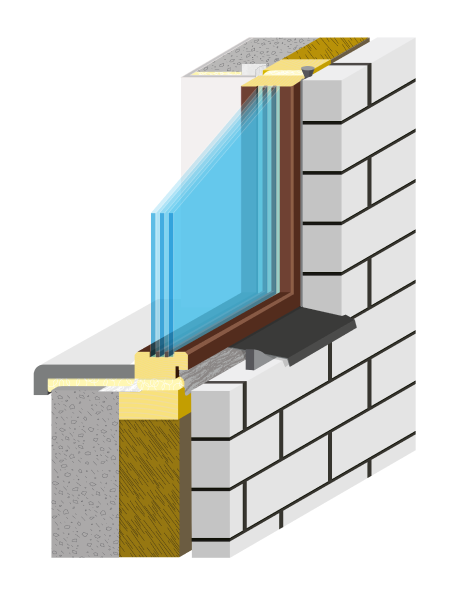

01
Insulating window joint
02
Ensuring air- and vapour tightness
03
Backing material for weathersealant
04
Weathersealing window perimeter
05
Glazing
06
Window tin sealing
07
Protecting from wind, rain and snow
08
Weatherproofing the joint under the window tin
09
Windowsill installation
10
Internal finishing
11
Gypsum board installation
12
Adhering vapour membrane to wall
Roofs & Façades
There are many different types of façade: glass systems; precast concrete panels with various types of finish; brickwork and stonework; metallic cladding; tiles; stone veneer panels; and more. They seal exterior wall joints against weathering such as UV, rainwater and driving rain and against other factors like chemical and mechanical loads that could eventually cause damage.
Concrete/masonry facade weathersealing
Sealing exterior wall joints of facades against the influence of weather is very important not only for esthetical reasons, but also to protect the building structure and to save energy. UV radiation, humidity, driving rain and influences of various other factors such as chemical and mechanical loads may eventually cause damage. There can be many different façade types, for example glass façade systems, precast concrete panels with various types of finishes, brickwork and stonework, metallic cladding, tiles and stone veneer panels, etc.
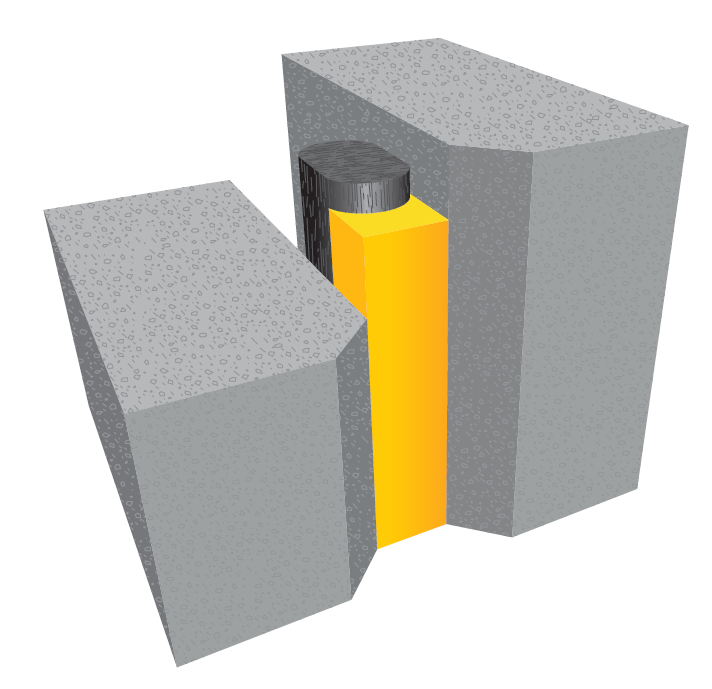
01
Weathersealing
02
Backing material for weathersealant
Glass facade weathersealing
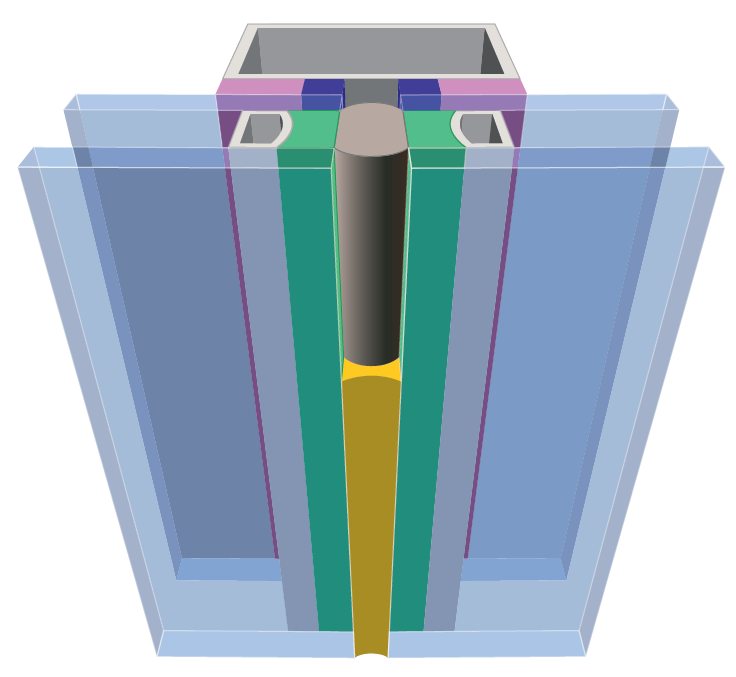
01
Weathersealing
02
Backing material for weathersealant
Floors
Filling floor joints and affixing floor covering materials correctly is important not only for aesthetic reasons, but also to protect the structure of the building and save energy. UV, humidity, water, temperature fluctuations and the influences of various other factors such as chemical and mechanical loads could eventually cause damage. To achieve the required results and the longevity of floor joints, it is important to follow the general installation requirements.
Concrete floor
Concrete flooring can be used either as the final flooring layer or covered with flooring material (e.g. carpet, tiles). A concrete floor with special treatment and finishing is also an option in modern home interiors. Concrete floors with shrinkage joints are commonly used for basements, garages, warehouses, patios, and utility areas. Such flooring is durable, long-lasting and easy to clean and maintain.

01
Backing the joints
02
Sealing shrinkage joints in concrete floors
03
Increasing the wear resistance
Floor covering with parquet
Parquet is definitely one of the most traditional floor coverings, which gives the room an additional elegance associated with real wood. Parquet is durable and can handle heavy loads and traffic. On the other hand, wood is a natural material that expands and contracts as the humidity balance and temperature of the room change. This must be taken into account when installing the parquet floor.
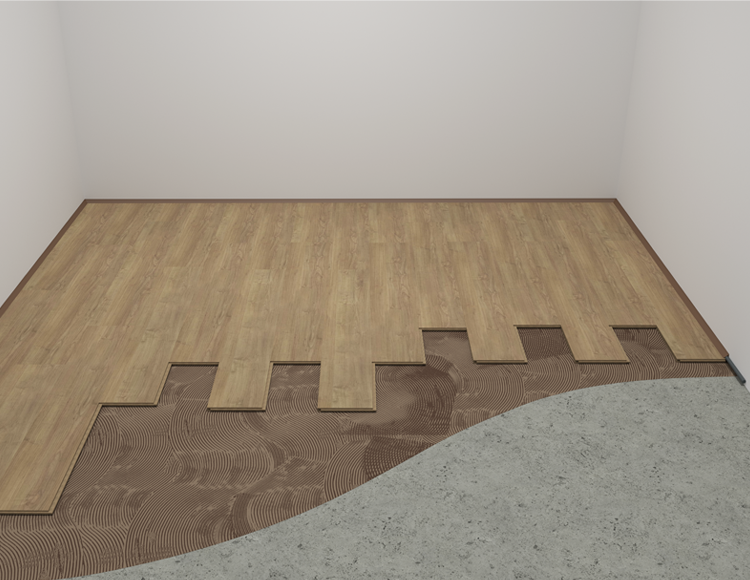
01
Improving the bond and wearing resistance of the floor bases
02
Adhering parquet to the floor bases
03
Backing the joint between parquet and wall
04
Filling joints between parquet and wall
Floor covering with soft covers
Soft floor covering materials, sold in big rolls are often the best choice – natural linoleum is suitable for children and allergic people, vinyl and PVC as durable and water-resistant flooring materials are practical in kitchens and public spaces, roll-materials can be installed quite fast and easily. Here are some suitable products and tips.

01
Improving the bond and wearing resistance of the floor bases
02
Adhering covers or carpet to the floor
03
Adhering the skirting boards
Sanitary
Building and renovating bathrooms and other sanitary rooms subject to higher levels of humidity and higher temperatures requires special attention. The combination of moisture and warmth creates the ideal living conditions for mould, while splashes of water on the floor or wall can damage the building structure. At the same time, a bathroom is a very personal space that needs to be clean, healthy and comfortable.
Priming, hydroinsulating and waterproofing of subsurfaces
When building or renovating wet rooms, special hydroinsulation products should be used to avoid moisture penetrating into structures and mould forming. Hydroinsulation products are applied directly to the floor or wall (i.e. on stone, concrete, waterproof veneer or another substrate) under the finishing layer (i.e. ceramic tiles, paint or other coverings).
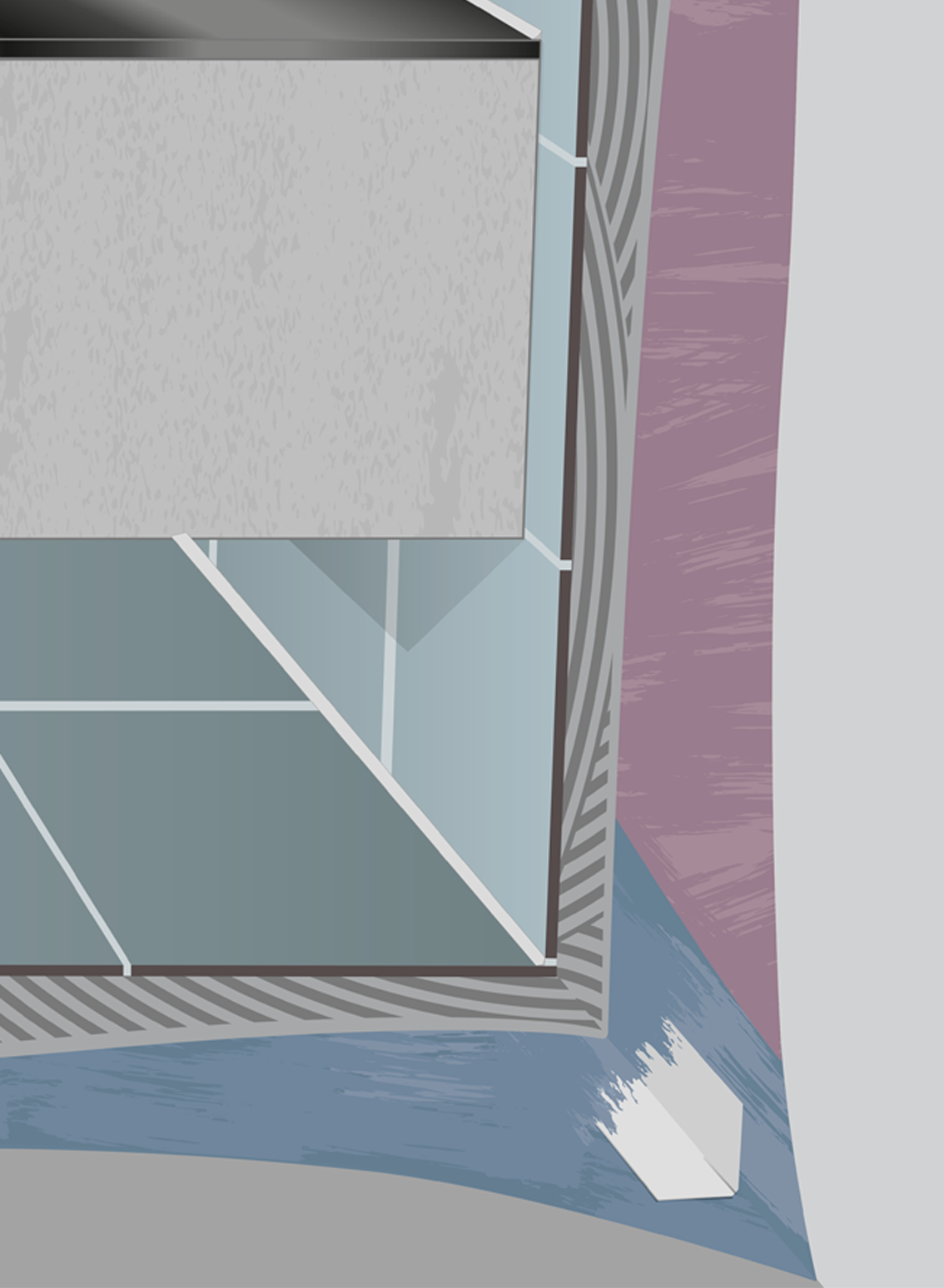
01
Priming and strengthening of subsurfaces
02
Moisture barrier for humid areas
03
Waterproofing wet areas before tiling
04
Reinforcing corners, junctions and cut-throughs during waterproofing
Filling low-movement joints before finishing
Connecting joints need to be dealt with before finishing work is undertaken. The purpose of filling these joints is not only aesthetic but also to protect the building’s structure from the negative impact of moisture and temperature changes.

01
Filling low-movement joints before finishing
Sealing joints in wet rooms
There are different joints in bathrooms that need to be protected from moisture, and even water. Some of these joints may be wide or movable, or even both. The sealing of bathroom joints depends on a number of factors and it is important to consider them all.
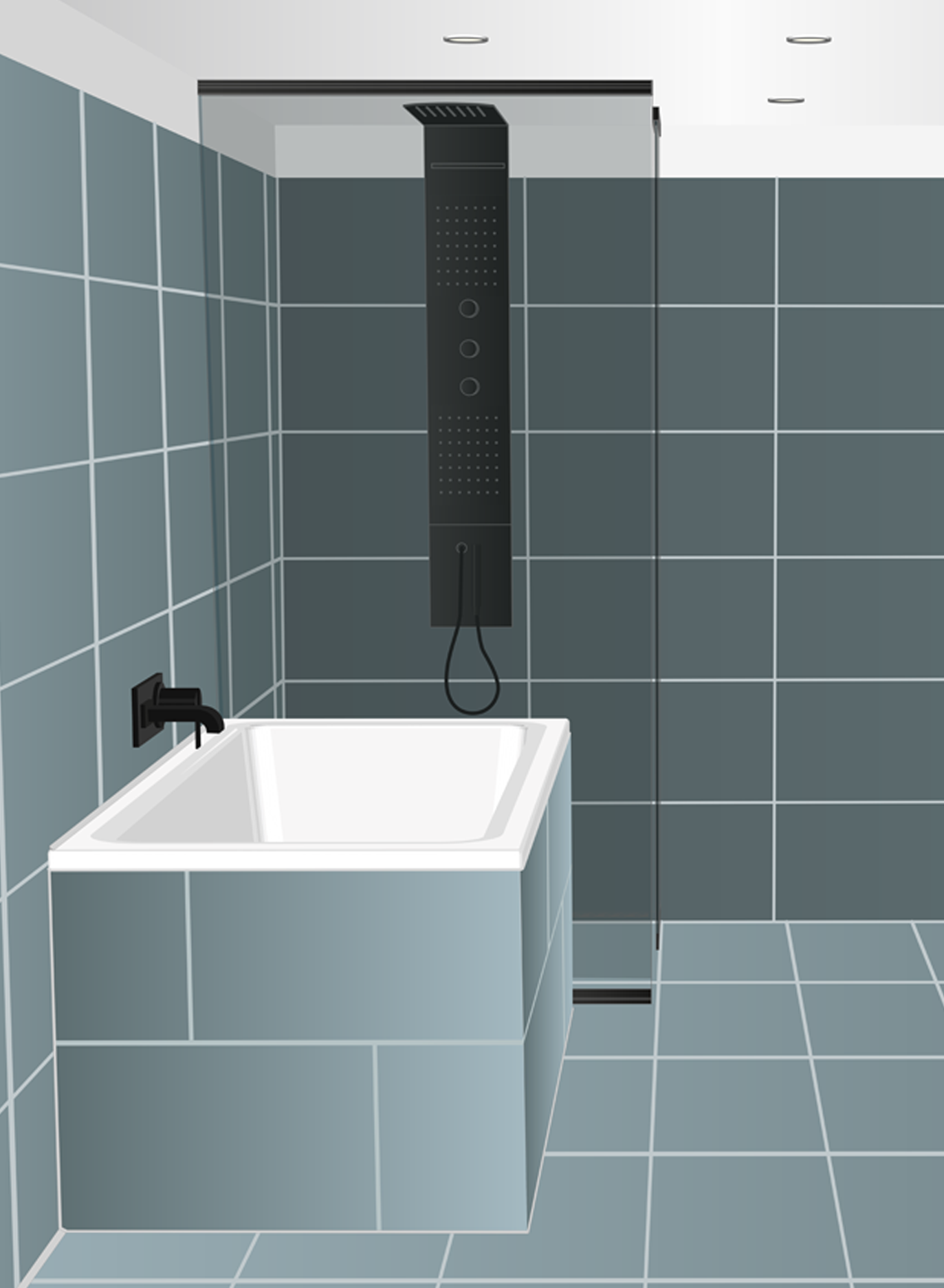
01
Sealing joints in sanitary rooms
02
Backing of wider and movable joints
Finishing work in wet rooms
Some materials used in interior design can be expensive and delicate, and high levels of humidity must be taken into consideration in all work, even simple adhering.
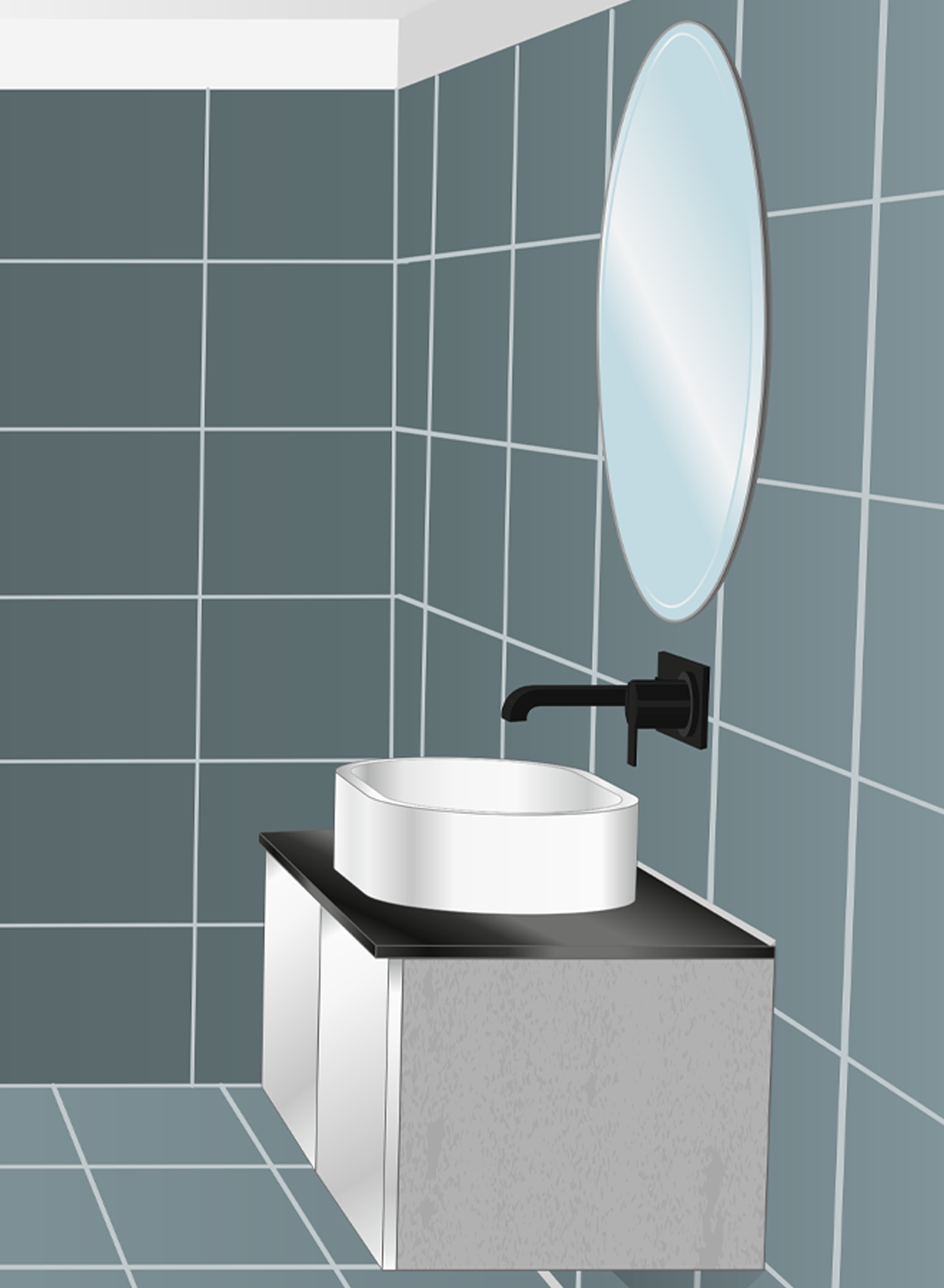
01
Sealing joints in natural stone
02
Installation and sealing of mirrors
Renovating of bathtubs
Traditional cast iron bathtubs are common in many countries. As they are convenient, keep the water warm for a long time and are sometimes difficult to replace, it is worth renovating old bathtubs. This is not overly complicated and represents an exciting DIY project.
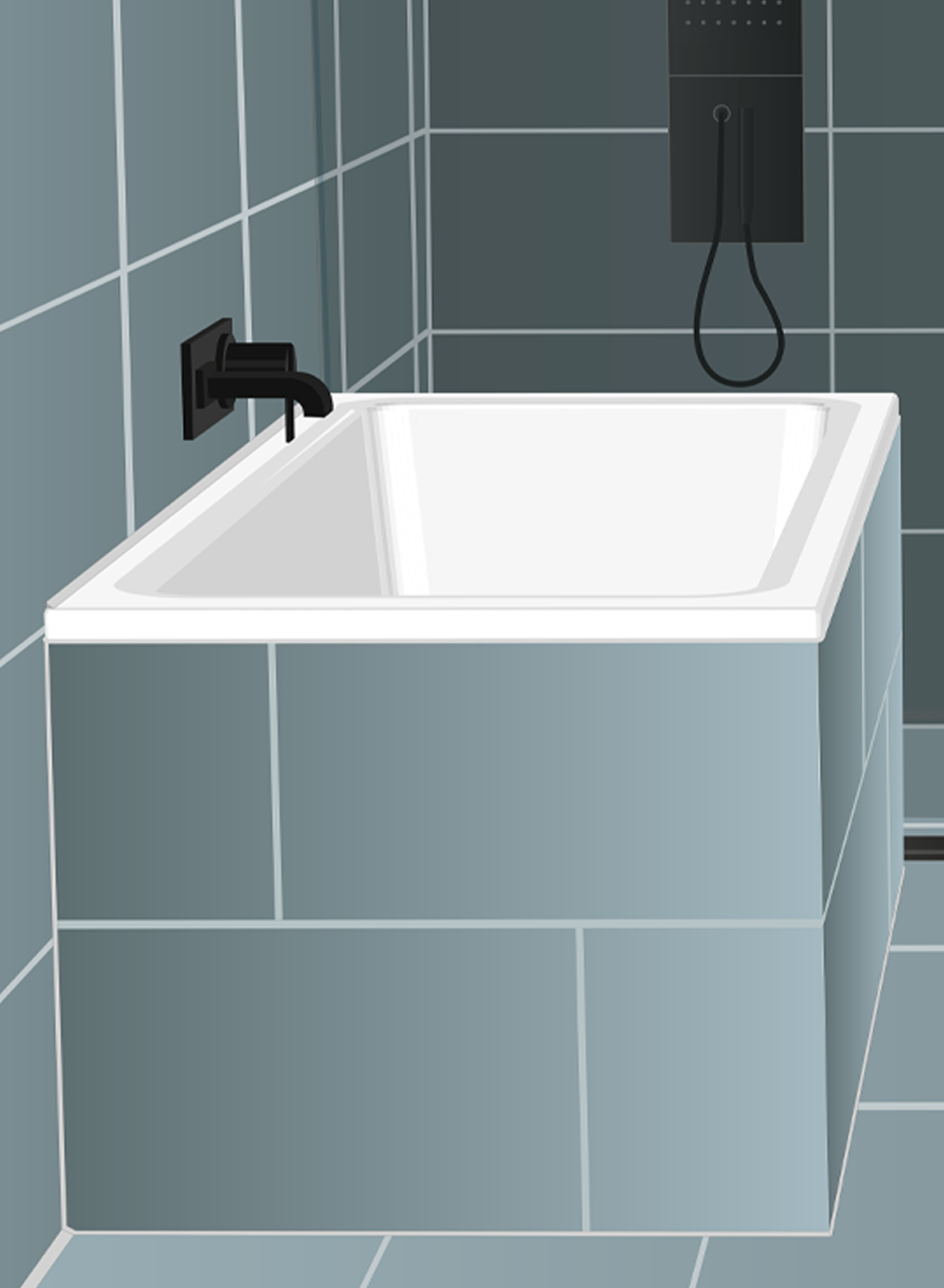
01
Renovating the bath tube
Decoration
There are plenty of tasks that need to be done both before and after finishing work and painting – for example, priming and strengthening the surfaces, improving sound and thermal insulation and filling joints and cracks. This also includes installing decorative elements and sealing.
Joint filling and finishing
Finishing works are the final step in construction or renovations, in which the interior appearance is finally formed. In many cases, the overall quality of a building is judged on the execution of its finishing. Wolf Group offers a range of elastic and crack-proof products to prepare surfaces ahead of finishing work. If used together and in the correct sequence, these products will guarantee attractive, extra-smooth, long-lasting interior surfaces. Below we show you how to achieve a high-quality interior appearance.
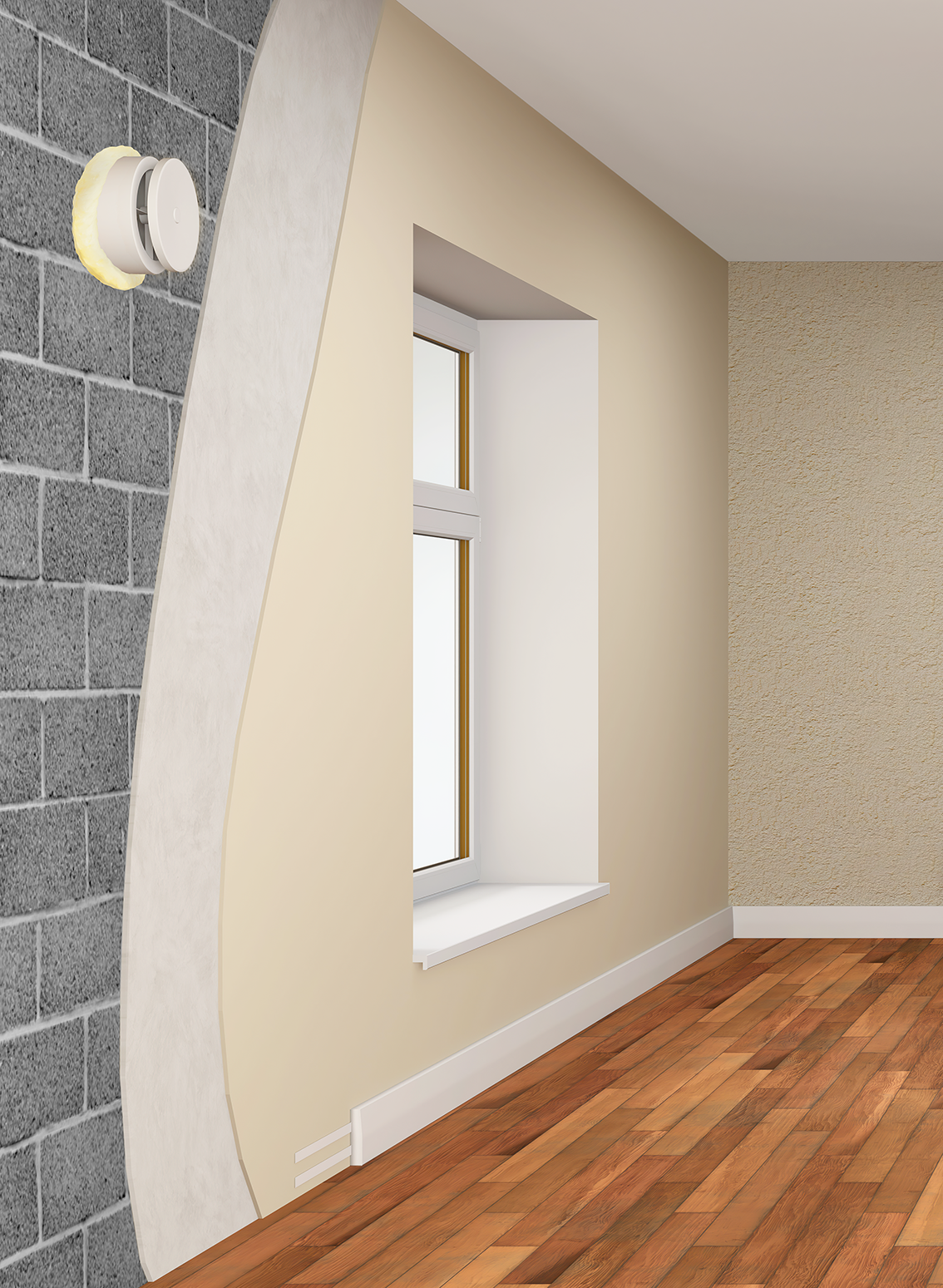
01
Filling low-movement joints ahead of finishing work
02
Sealing and filling joints ahead of finishing work in areas where traditional acrylics may be ineffective
03
Priming of subsurfaces
04
Insulative filling
05
Installation of skirting boards and other decorative elements
Complicated surfaces and joints
Finishing works are the final step in construction or renovations, in which the interior appearance is finally formed. In many cases, the overall quality of a building is judged on the execution of its finishing. Wolf Group offers a range of elastic and crack-proof products to prepare surfaces ahead of finishing work. If used together and in the correct sequence, these products will guarantee attractive, extra-smooth, long-lasting interior surfaces. Below we show you how to achieve a high-quality interior appearance.
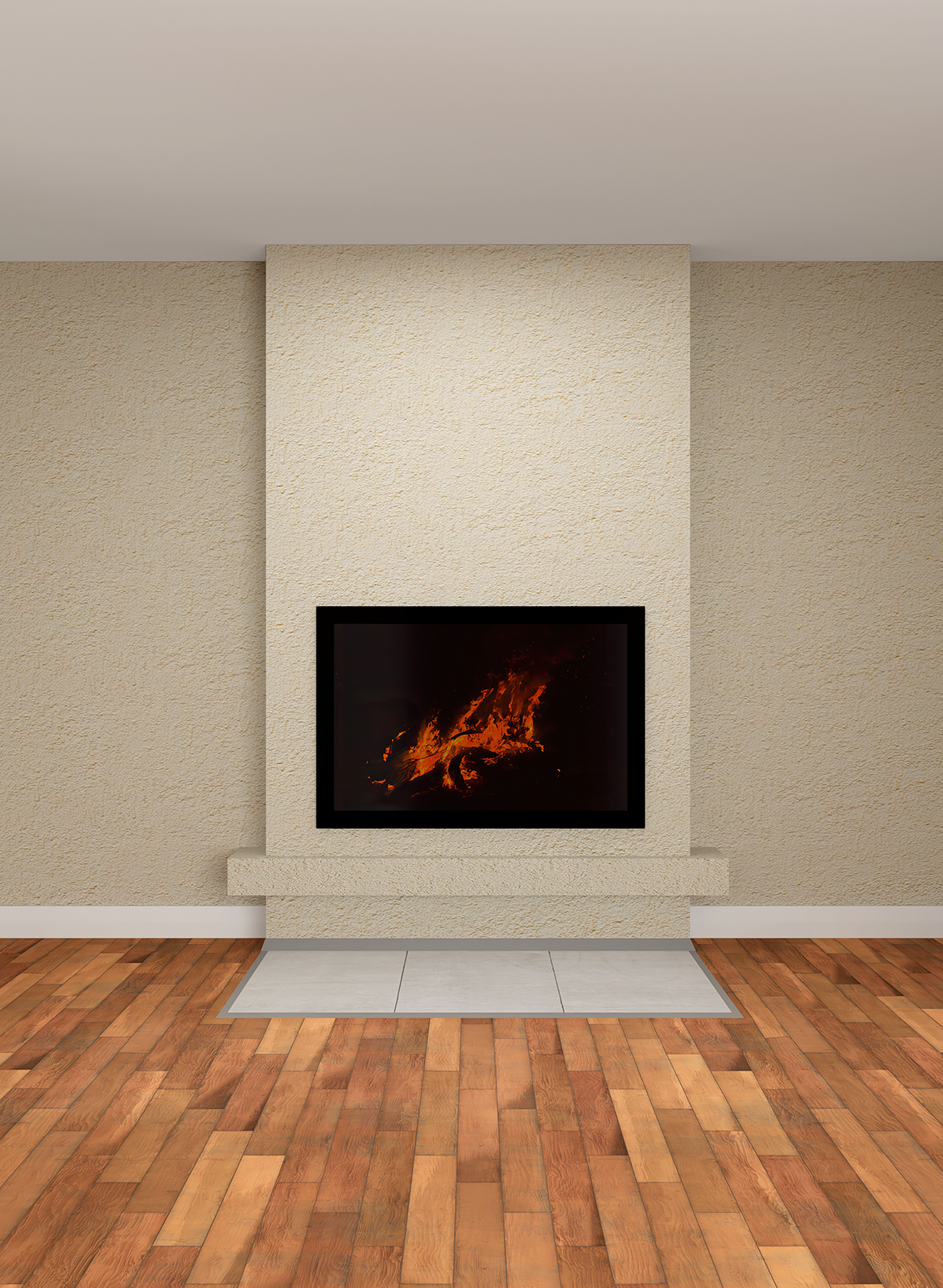
01
Filling joints and cracks on stucco and other rough-textured surfaces
02
Sealing joints between various surfaces and materials
Plasterboard preparation
Finishing works are the final step in construction or renovations, in which the interior appearance is finally formed. In many cases, the overall quality of a building is judged on the execution of its finishing. Wolf Group offers a range of elastic and crack-proof products to prepare surfaces ahead of finishing work. If used together and in the correct sequence, these products will guarantee attractive, extra-smooth, long-lasting interior surfaces. Below we show you how to achieve a high-quality interior appearance.

01
Filling plasterboard joints and cracks
02
Filling cracks and screw holes in plasterboard
03
Priming of subsurfaces
Fireproofing
The Wolf Group portfolio includes products and solutions that make building materials and constructions even more resistant to fire. Construction foams, sealants and mastics with special fire retardants are required in the installation of fire doors and windows and when reinforcing the fire compartments around pipe penetration points. Using the right solutions will help prevent the spread of flames, smoke and toxic substances in the event of a fire, thereby saving lives, property and the environment. All of our products and solutions are tested according to internationally recognised standards.